
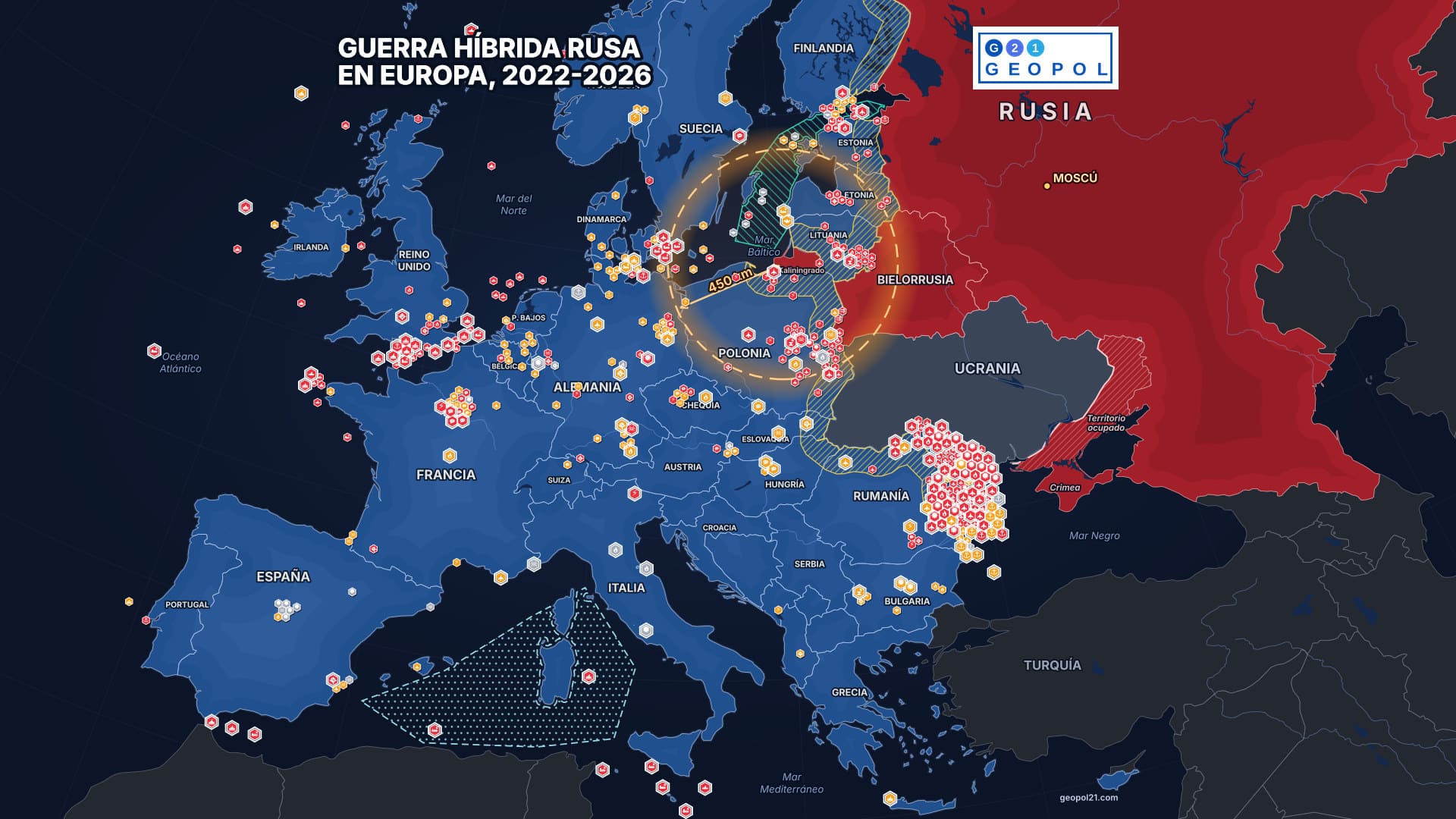
Since 2022, Russia’s confrontation with Europe has extended far beyond the battlefield in Ukraine. Cyberattacks, sabotage plots, covert recruitment, election interference and disinformation have targeted the institutions and infrastructure on which European security depends. These activities are designed to complicate support for Kyiv, expose gaps in national defences and deepen political divisions while preserving deniability. Their growth since the invasion reflects both a deliberate Russian strategy and the reduced access to conventional espionage networks in Europe. The resulting threat is persistent and cumulative: each incident can appear limited, yet together they test the resilience and cohesion of the European order from within. A conflict conducted below the threshold of war Russia’s full-scale invasion of Ukraine did not begin the Kremlin’s campaign to influence European politics and weaken Western cohesion. It changed its scale and urgency. As European gover...